TADCTest.org logotadc test
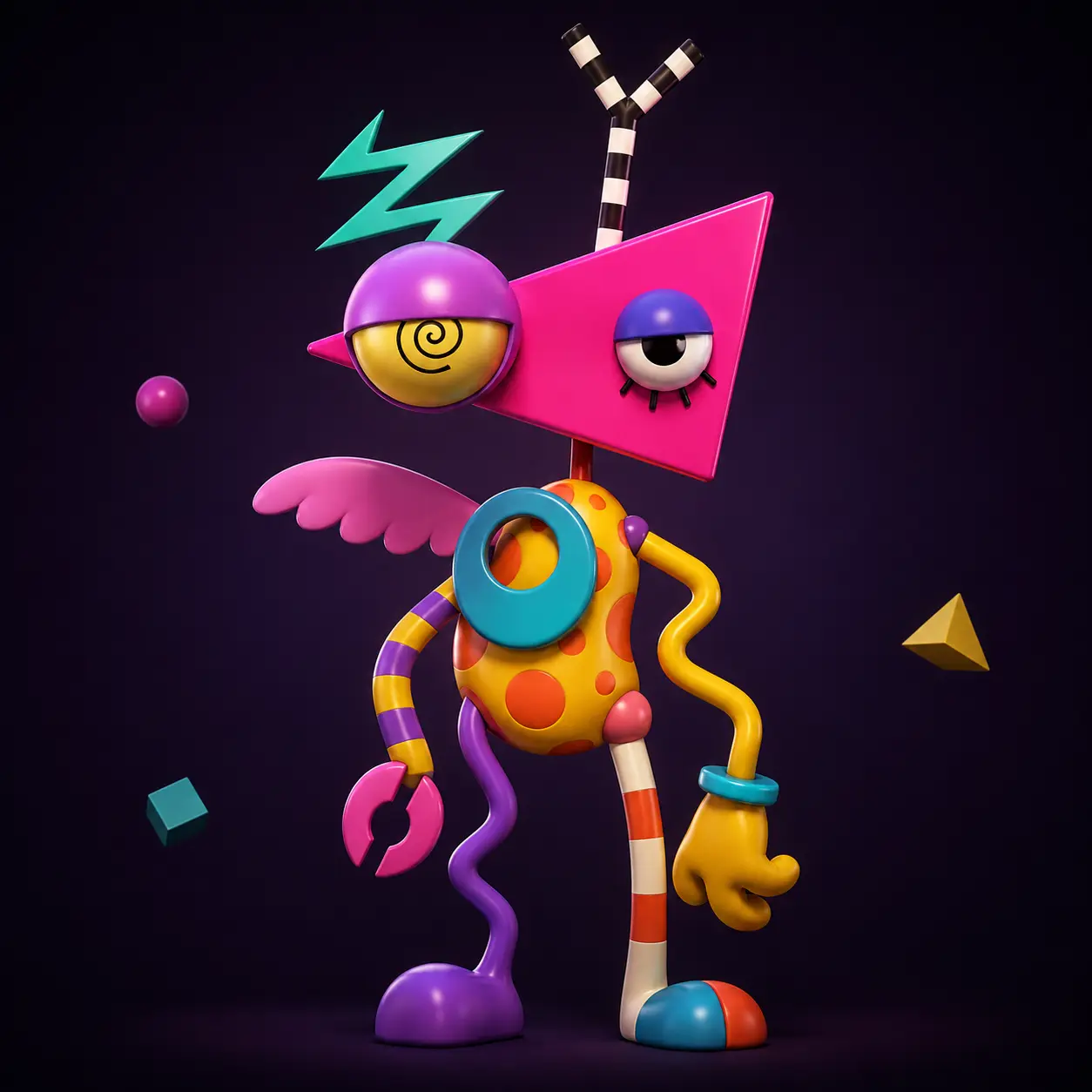
Zooble TADC Test personality result character card
TADC character result guide

Zooble Personality Explained

The Unbothered Outsider

Zooble represents the person who refuses to perform enthusiasm just because everyone else expects it. If you got Zooble as your TADC Test result, your answers likely pointed toward independence, boundary-setting, skepticism, identity discomfort, and a strong resistance to forced participation.

A Zooble result does not mean you do not care. It usually means you do not want your care demanded from you on someone else’s schedule. You may need space before you can be sincere. You may reject roles that feel fake, restrictive, or assigned without your consent.

Zooble energy is dry, independent, and self-protective. It becomes limiting when refusal turns into isolation from people who might actually understand you.

Quick Summary
Zooble result meaning

You value autonomy, boundaries, and authenticity, especially when others try to force you into a role.

Core style

Refusing, distancing, editing, protecting.

Strength

You know when something does not fit you, and you are not afraid to say so.

Blind spot

You may reject support because it arrives in a form you dislike.

Best secondary matches

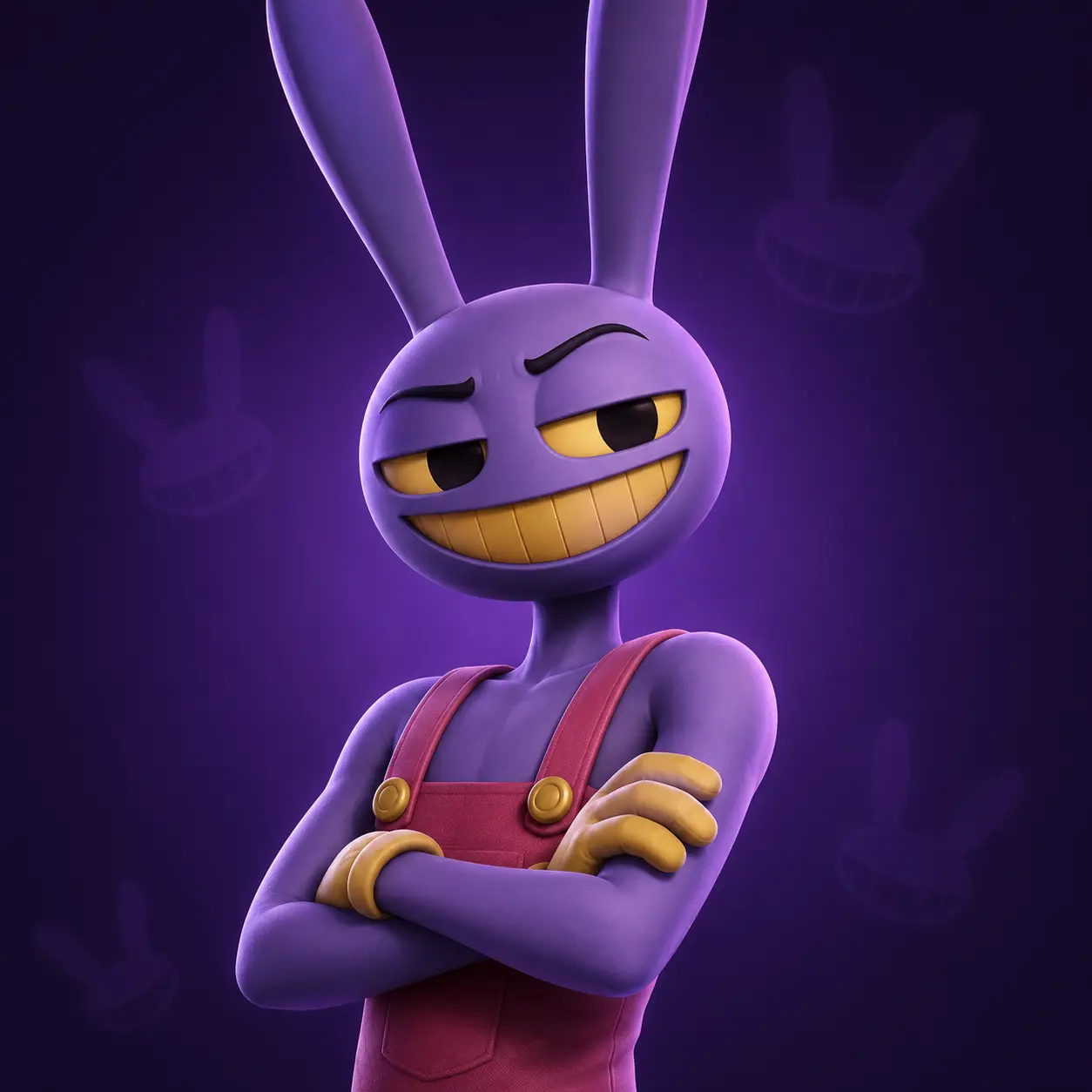
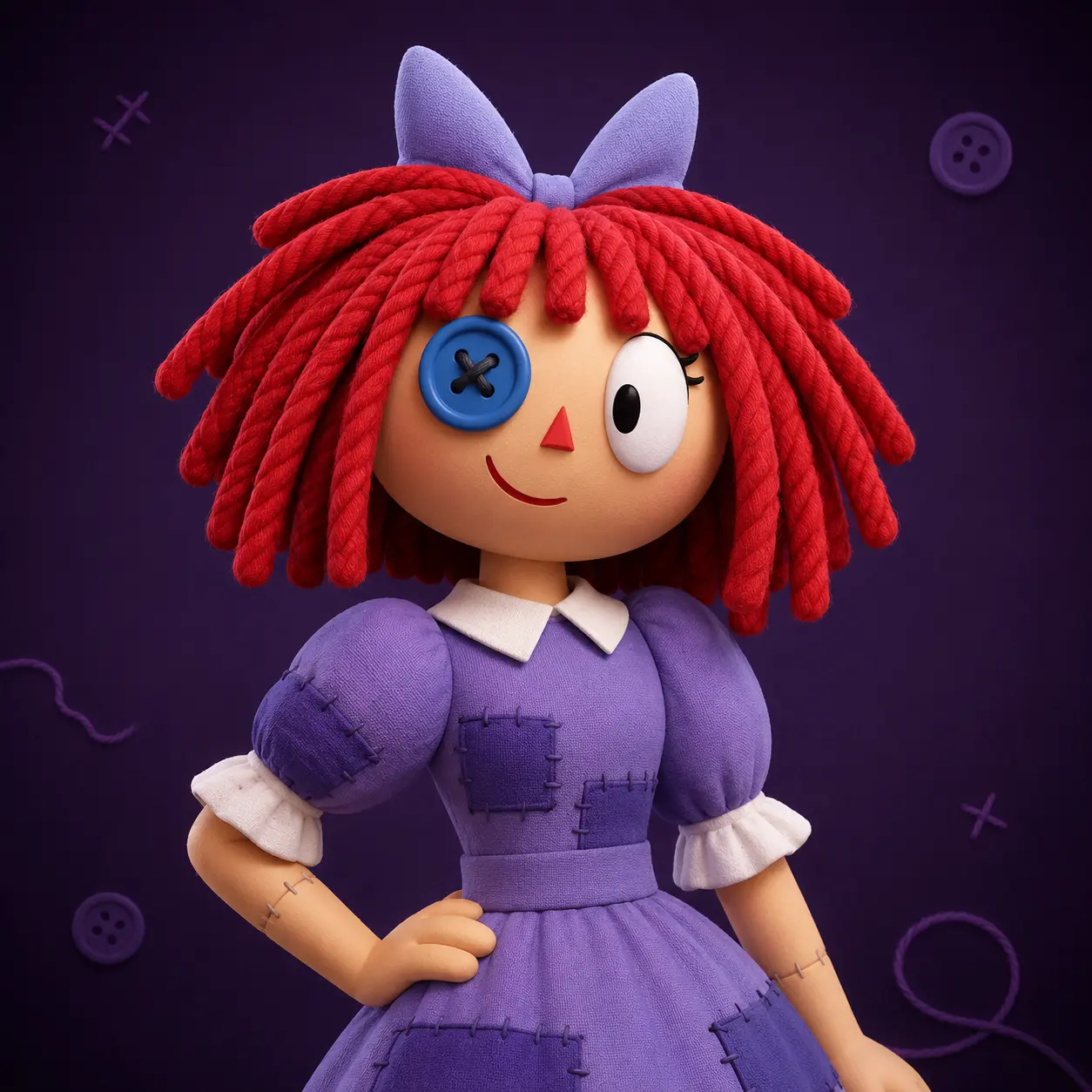
Jax, Gangle, Pomni.

Most challenging opposite matches

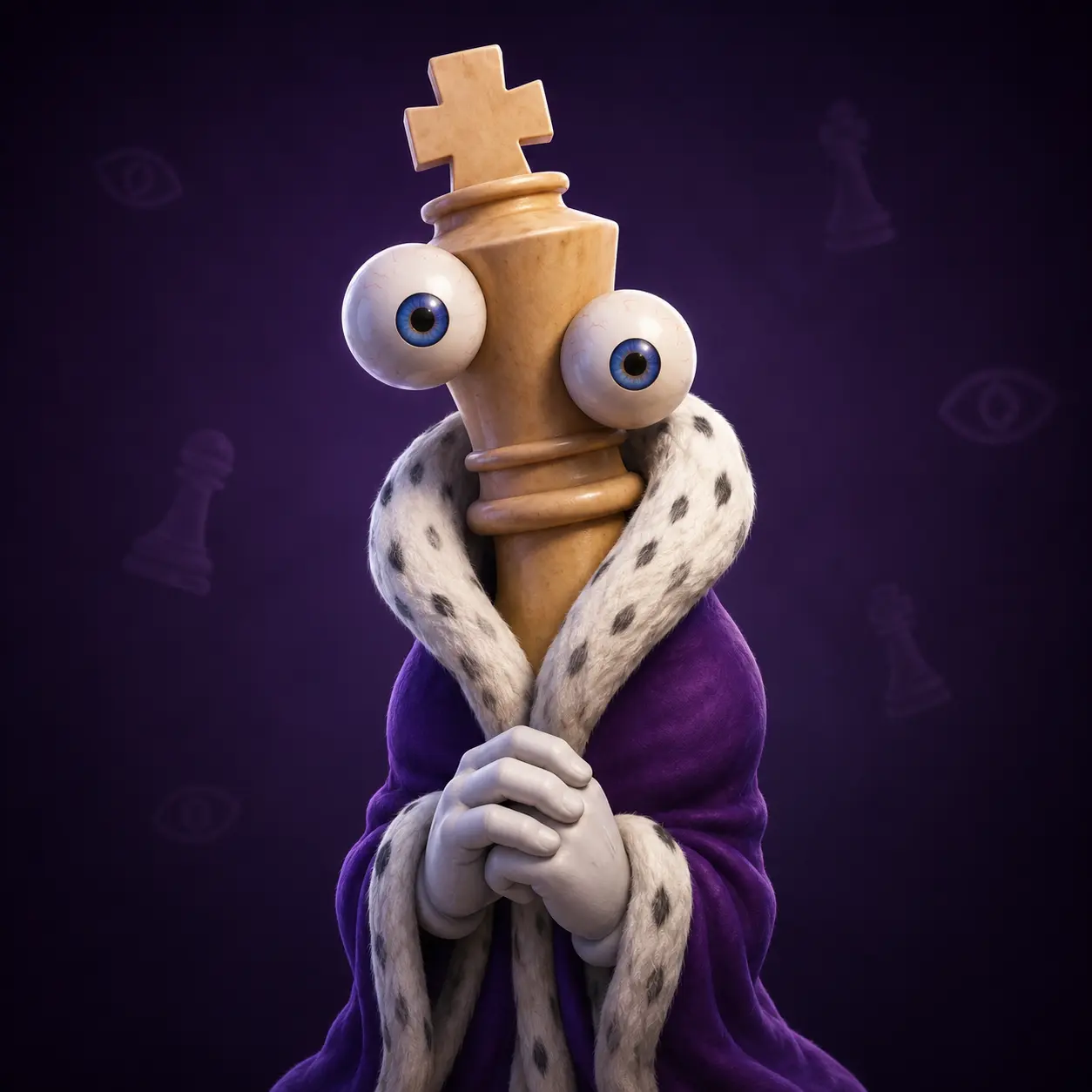
Ragatha, Caine, Kinger.

Character Overview in The Amazing Digital Circus

Zooble is often characterized by reluctance to participate in Caine’s adventures and discomfort with being pushed into situations they do not want. Their modular design also makes them one of the most symbolically flexible characters for personality interpretation: identity, self-presentation, mismatch, and refusal all become part of the result.

In a quiz-result context, Zooble is the unbothered outsider. But “unbothered” does not mean emotionless. It means they do not want to give the system the reaction it expects. Zooble’s refusal is not random laziness; it can be read as a boundary.

A Zooble result is for people who do not want to be managed, labeled, or dragged into artificial excitement. You may prefer honesty over performance, even if that honesty sounds blunt.

What This Result Means

Getting Zooble means your answers showed a pattern of autonomy and resistance. You may be less interested in pleasing the room and more interested in staying true to what feels real for you.

You may be the type of person who:

  • Dislikes forced fun.
  • Needs space to decide how you feel.
  • Becomes irritated when people ignore your boundaries.
  • Refuses roles that do not fit.
  • Values authenticity over group harmony.
  • Uses distance to protect your identity.
  • Helps others quietly, but dislikes being emotionally cornered.

A Zooble result often means you are selective with your energy. You may not join every game, every conversation, or every emotional performance. But when you do show up, it is usually because you chose to.

Why You May Be Similar to Zooble

You may be similar to Zooble if you often feel resistant when people tell you how you are supposed to react. You may dislike being pressured into excitement, optimism, teamwork, or vulnerability before you are ready.

Zooble-like people often have strong internal boundaries. You may know quickly when something feels wrong for you. You may also get frustrated when others interpret your refusal as attitude rather than self-protection.

Common Zooble traits include:

  • Independence.
  • Dry humor or blunt honesty.
  • Strong boundaries.
  • Discomfort with forced roles.
  • A need for self-definition.
  • Selective participation.
  • Hidden care beneath a detached surface.

At your best, you are authentic, self-aware, and hard to manipulate. At your worst, you may turn every invitation into a threat.

Where You May Be Different From Zooble

A Zooble result does not mean you are always detached or negative. You may be friendly, warm, or enthusiastic when the situation actually fits you. The result usually reflects your need for autonomy, not a lack of feeling.

You may differ from Zooble if:

  • You enjoy group activities when they are voluntary.
  • You set boundaries without shutting people out.
  • You are direct but not dismissive.
  • You care about people, but need your own pace.
  • You are flexible when your consent is respected.
  • You do not mind playing along if the role feels honest.

If you got Zooble but do not relate to being “unbothered,” read the result as a sign of identity protection. You may simply have a strong instinct for what is and is not you.

Match interpretation

How to read Zooble in your result

Primary match

If Zooble Is Your Primary Match

If Zooble is your primary match, your strongest quiz pattern is refusal under pressure. When a situation feels fake, controlling, or incompatible with who you are, you may pull back rather than force yourself to participate.

Your growth path is learning the difference between boundaries and walls. Boundaries help people understand how to reach you. Walls make it impossible for anyone to try.

A healthy Zooble result looks like this:

  • You say no clearly.
  • You protect your identity without rejecting all connection.
  • You participate when it feels real.
  • You let trusted people see that you care.
  • You stop treating every expectation as a personal attack.
Secondary match

If Zooble Is Your Secondary Match

If Zooble is your secondary match, your main result may describe your emotional style, while Zooble describes your boundary system.

For example:

  • Pomni + Zooble: You may feel anxious, but your response is to distance yourself from forced chaos.
  • Jax + Zooble: You may use humor and refusal together to avoid being controlled.
  • Ragatha + Zooble: You may care deeply, but become exhausted by being expected to care on demand.
  • Gangle + Zooble: You may be sensitive, and distance helps protect that sensitivity.
  • Kinger + Zooble: You may retreat inward and refuse external pressure at the same time.
  • Caine + Zooble: You may want control over your environment because you dislike imposed roles.

As a secondary result, Zooble adds boundaries, authenticity, and refusal energy to your main type.

Opposite match

If Zooble Is Your Opposite Match

If Zooble is your opposite match, you may be more willing to participate, cooperate, perform, or adapt. You may prefer group involvement over distance, or you may feel uncomfortable when someone refuses without explanation.

A Zooble opposite result may suggest:

  • You try to make the best of forced situations.
  • You value cooperation and shared morale.
  • You may struggle to understand people who opt out.
  • You prefer emotional engagement over detachment.
  • You may over-adapt to roles instead of questioning them.

Your growth challenge is to remember that refusal can be a healthy signal. Sometimes “I do not want to” is enough information.

Character comparison

Zooble Compared With Other TADC Characters

Zooble vs Pomni

Pomni reacts to chaos by searching for answers. Zooble reacts by refusing to participate in the chaos at all. Pomni wants the rules explained. Zooble questions why they should play by the rules in the first place.

Zooble vs Jax

Both Zooble and Jax resist control, but Jax disrupts while Zooble withdraws. Jax makes a scene. Zooble avoids the scene. Jax wants to prove the situation is ridiculous. Zooble already knows it is.

Zooble vs Ragatha

Ragatha tries to keep the group together. Zooble protects the self from being absorbed by the group. Ragatha says yes to preserve harmony. Zooble says no to preserve identity.

Zooble vs Gangle

Gangle masks feelings to be accepted. Zooble refuses masks that do not fit. Gangle may fear rejection. Zooble may reject the role first so the role cannot define them.

Zooble vs Kinger

Kinger retreats mentally. Zooble retreats socially and practically. Kinger drifts. Zooble opts out. Both may seem distant, but for different reasons.

Zooble vs Caine

Caine tries to create participation. Zooble resists participation. Caine wants everyone in the show. Zooble challenges the idea that the show deserves their energy.

How to Read Your Zooble Score

A high Zooble score means you likely respond to pressure with boundaries, refusal, or distance. A moderate score means you may have a strong independent streak even if it is not your main personality. A low Zooble score means you probably adapt, cooperate, or emotionally engage more easily than you opt out.

Result Card Copy

Short result copy

I got Zooble — The Unbothered Outsider. I will participate when it actually feels like me.

Long result copy

My TADC result is Zooble. I value boundaries, authenticity, and the right to refuse roles that do not fit.

FAQ

Questions about this result

+Is Zooble a bad result?

No. Zooble represents boundaries, autonomy, and authenticity. The result is not bad; it points to a strong need to decide for yourself.

+Does getting Zooble mean I do not care?

Not necessarily. You may care deeply, but dislike forced emotional performance. Zooble-like people often show care selectively rather than on demand.

+Why did I get Zooble if I enjoy people?

Because enjoying people is different from enjoying forced roles. You may be social when the situation feels voluntary and honest.

+What is the best secondary match for Zooble?

Jax is strong if your refusal is sarcastic or mischievous. Gangle is strong if your distance protects sensitivity. Pomni is strong if you opt out because uncertainty overwhelms you.

+What does Zooble as an opposite match mean?

It means you probably do not lead with refusal. You may be more cooperative, adaptive, caretaking, or performance-oriented under pressure.

Related results

Compare every TADC result

Personality test page →
  • Pomni — if refusal comes from anxiety.
  • Jax — if refusal becomes teasing and disruption.
  • Ragatha — if you care but resist being responsible for everyone.
  • Gangle — if distance protects sensitivity.
  • Kinger — if refusal becomes retreat.
  • Caine — if you want control over roles and rules.